Practical Guide - April 2026

Sustainable AI is achievable.

Communities that show up to data center hearings with specific, enforceable demands consistently get better outcomes. This guide gives you those demands, the proof that they are achievable, and the exact questions to bring to the next hearing.

Not a ban. A standard. Verified proof points Specific policy asks

Why standards, not bans: Between May 2024 and March 2025, local opposition canceled $64 billion in data center projects - and triggered federal bills preempting local zoning authority. Lancaster, PA residents who arrived at hearings with five specific demands left with a binding agreement: a 20,000 gallon/day water cap, a $5M clean energy fund, and successorship clauses. The difference is not effort. It is the specificity of the ask.

01 - The problem

The concerns are legitimate. The scale is real.

Data centers consumed 415 terawatt-hours of electricity globally in 2024, about 1.5% of all electricity on Earth. The IEA projects that could rise to 945 TWh by 2030. In Michigan alone, utilities announced 6.4 gigawatts of new data center power in October 2025. That is large enough to affect household utility bills, water systems, and land use. The people worried about this are not wrong.

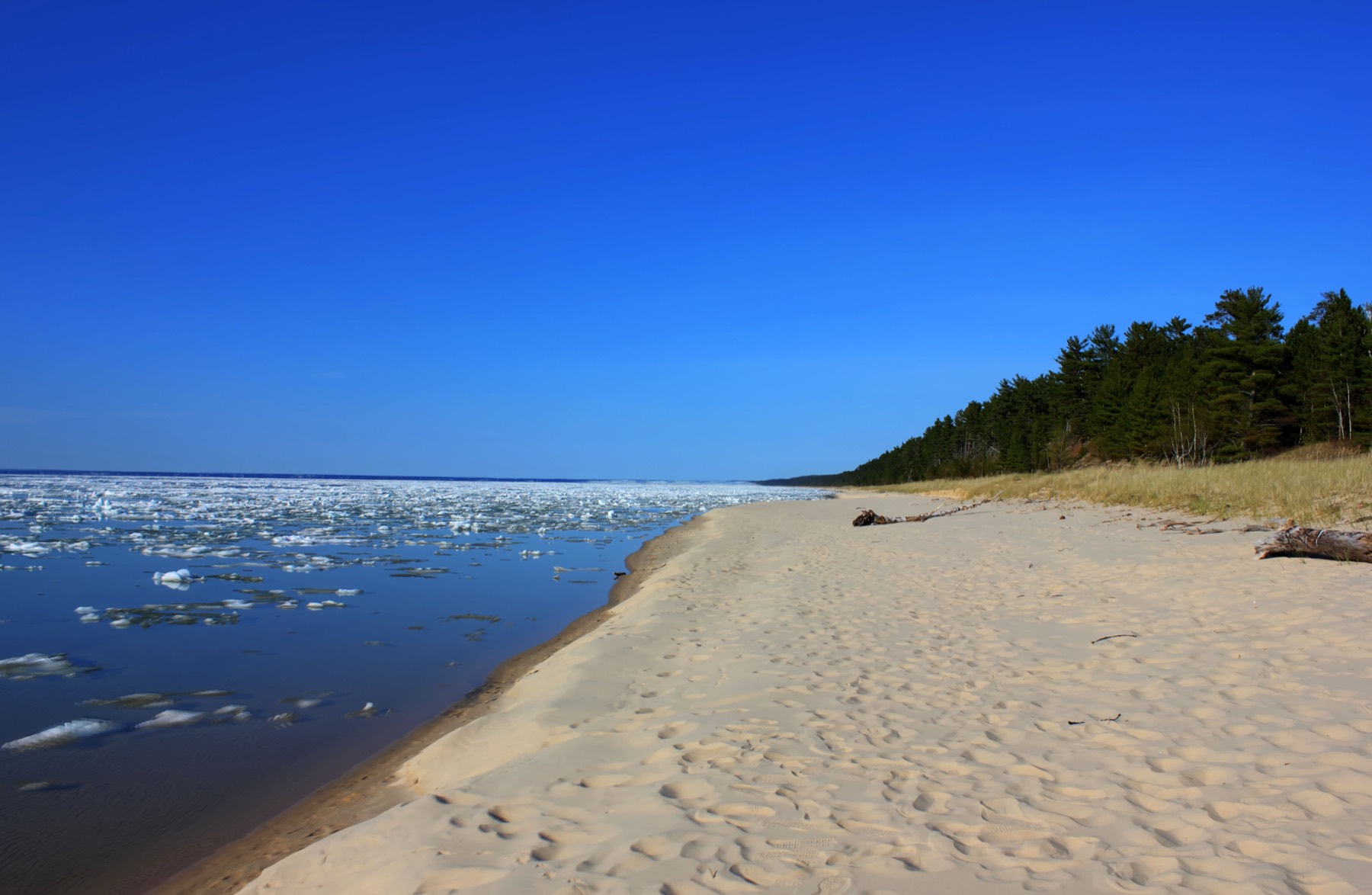
A sandy shoreline on Lake Superior in Michigan with spring ice along the water and forest beyond the beach.
Michigan's water and shoreline are part of what siting decisions put at stake.

Data center expansion is not only a technology story. It is also a land, water, and public-resource story.

Photo: Yinan Chen, via Wikimedia Commons - Public domain
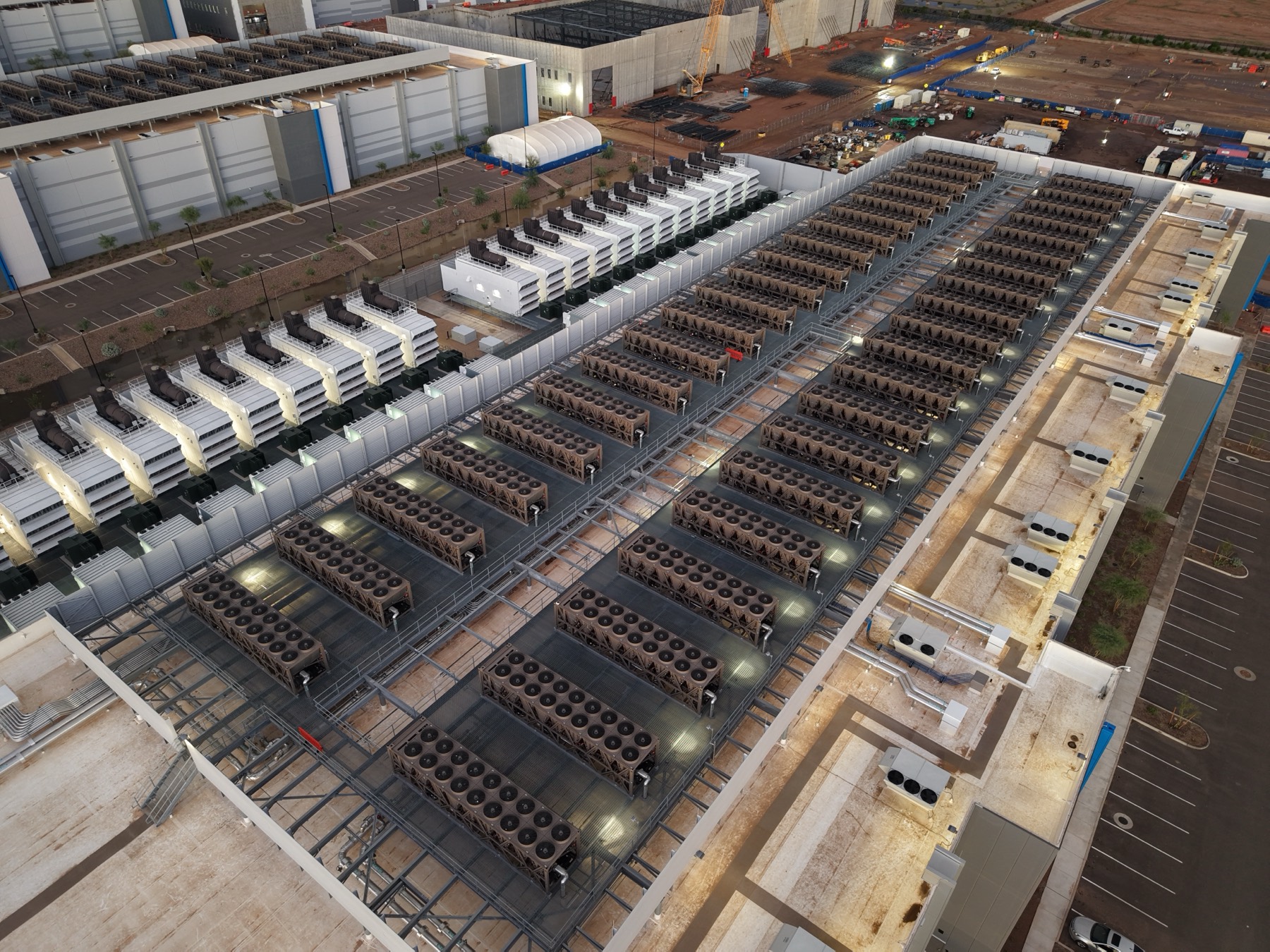
Cooling equipment, pipes, and paved surfaces on the roof and grounds of a large data center complex.
AI infrastructure has a visible footprint long before anyone mentions a chatbot.

Cooling gear, backup systems, transmission links, and land conversion are what communities are being asked to host.

Three legitimate concerns
Power, water, and cost-shifting to residents.

Power: when data centers draw from an existing grid instead of funding new clean energy, households end up subsidizing growth they didn't choose. Texas's S.B. 6 (2025) was written specifically to stop this cost-shifting.

Water: evaporative cooling systems can consume millions of gallons annually. Lancaster, Pennsylvania's 2025 community benefits agreement capped a data center's municipal water use at 20,000 gallons per day - proof the standard is enforceable.

Land: Michigan has brownfields and former industrial sites. Communities should not sacrifice farmland or wetlands when better sites exist and project developers have not had to prove they looked.

AI energy growth in context: data centers are a serious driver, not the dominant one

Projected additional electricity demand growth by source, to 2030 (TWh). Data centers are significant - but EVs, AC, and industry demand more. The question is pace and concentration, not panic.

Industry
1,936 TWh
EVs
838 TWh
Air conditioning
651 TWh
Data centers
530 TWh
Transport
~400 TWh
Buildings
~350 TWh

Sources: IEA Energy and AI, 2025 and Carbon Brief, 2025.

02 - It already works

Responsible AI infrastructure is not a theory. It is deployed.

Before communities can demand standards, they need to know those standards are achievable. They are. The technology exists. Operators are using it. Regulators in other jurisdictions have required it. Here is the evidence.

40+ GW New renewable energy contracted by Microsoft, Meta, Google, and Amazon in 2025 - real projects that financed construction, not paper credits BloombergNEF / ESG Today, Feb 2026
33x Reduction in energy per Google AI query in 12 months (May 2024 to May 2025) - efficiency is improving faster than usage is growing Google Cloud Blog, 2025
~0 Water evaporated per year by Applied Digital's North Dakota campuses - closed-loop liquid cooling at scale, already operational Applied Digital SEC filing, Oct 2025
3 Countries (Ireland, Singapore, Netherlands) that have implemented binding sustainability requirements for data center grid connections CRU, IMDA, Dutch Data Centre Assoc., 2025

The efficiency trajectory matters: AI models are becoming dramatically more efficient per task. Google's Gemini reduced energy per query by 33x in one year. DeepSeek-V3 activated only 5-10% of parameters per token via Mixture-of-Experts architecture. When critics say AI energy use is rising, they are right about total demand - but efficiency per unit of work is improving faster, and that gap is widening with each model generation.

Real-world regulatory frameworks that are working
Ireland - Dec 2025

Grid connection is conditional on bringing new clean energy

Ireland's Commission for Regulation of Utilities now requires data centers over 10 MW to source 80% of electricity from new Irish renewable generation they helped finance - not from existing projects. Facilities cannot operate at full capacity until their promised generation is delivered and online. This is the gold standard for additionality enforcement.

Singapore - Aug 2025

Performance-based standards, not blanket bans

Singapore lifted its data center moratorium and replaced it with strict performance gates. New approvals require demonstrated energy efficiency, at least 50% green energy sourcing, and compliance with SS 715:2025 - the world's first tropical-climate data center IT efficiency standard, targeting 30%+ energy reduction over conventional designs.

Michigan - Apr 2025

90% clean energy law - and environmental groups fighting to strengthen it

Michigan law (HB 4906) requires data centers seeking tax exemptions to certify 90% clean energy procurement. Environmental groups including CUB Michigan, NRDC, and Sierra Club are actively litigating to close a utility interpretation loophole - which is exactly what effective regulation looks like. A standard with active enforcement battles is a standard with teeth.

The IEA's finding on AI and climate: AI applications could achieve 1,400 megatons of CO2 emissions reductions by 2035 through grid optimization, materials science, transport, and buildings efficiency. That is 3-4 times larger than total projected data center emissions for the same year. The question is not whether AI is a net climate asset or liability - it is whether we build the infrastructure under standards that make it one.

03 - What to demand

Five standards any community can bring to any hearing.

Think of these like building codes. A project asking to use shared resources - electricity, water, land, grid capacity - should have to meet a minimum public-interest standard before it gets approved. These five questions can be asked by a resident, a zoning board member, or a state legislator.

Plain-language rule: if the project cannot answer these questions in simple, verifiable terms, it is not ready for approval. Vague commitments are not commitments.

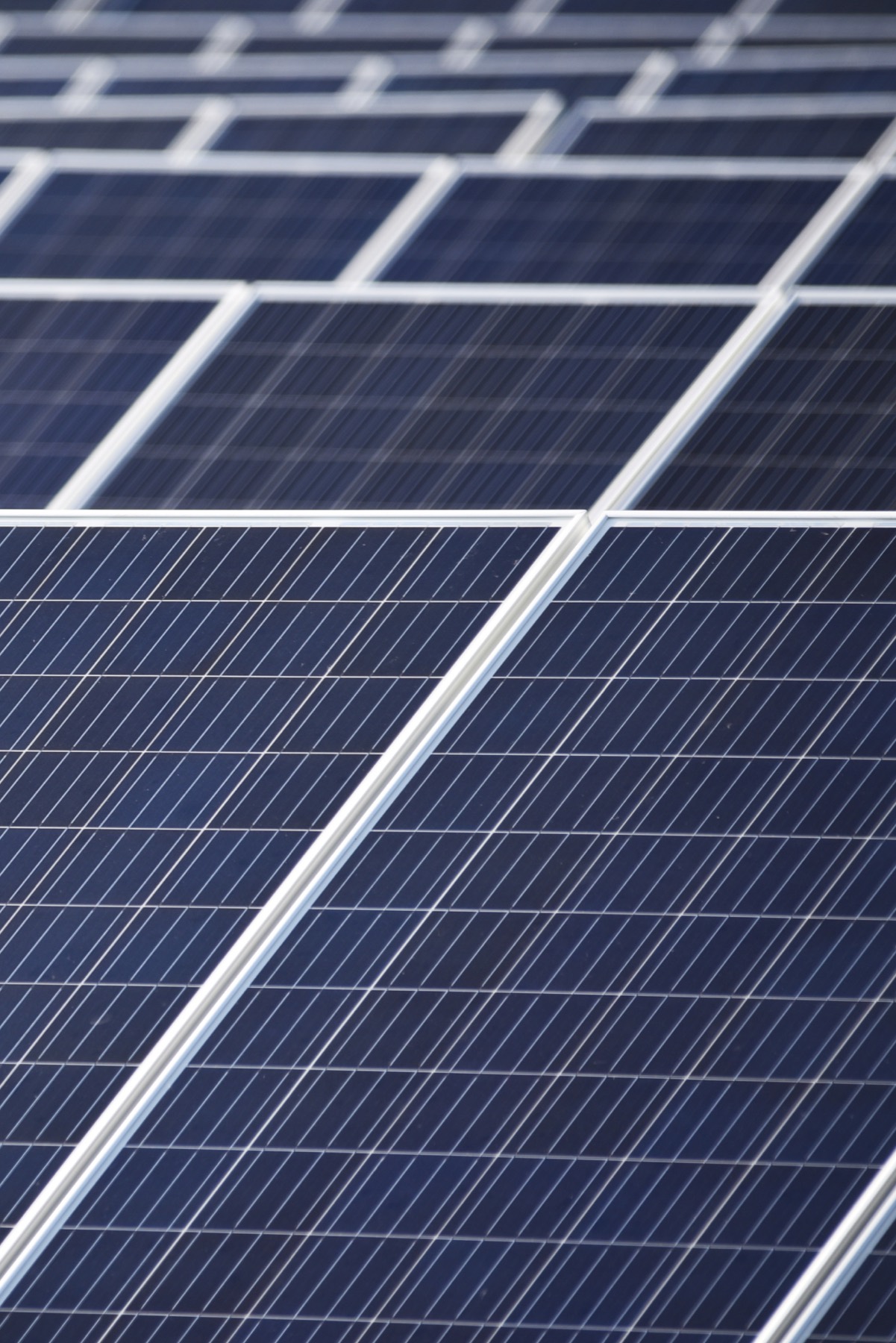
Rows of solar panels filling a former farm field in Minnesota.
New clean power is physical infrastructure, not a line item.

When a project says it will run on clean energy, the right question is: what gets built that would not exist otherwise?

RECs vs. PPAs: the difference that matters

Paper credits are not the same as new power.

A Renewable Energy Certificate (REC) is an accounting claim on power that may already exist. A Power Purchase Agreement (PPA) provides the revenue certainty that actually finances new solar, wind, or storage construction. Ireland now explicitly bans RECs from previously subsidized projects from counting toward compliance - that is the right standard. When a company says it "runs on 100% renewables," ask which one.

The gold standard is 24/7 Carbon-Free Energy matching: clean supply matched to actual consumption on an hourly basis, every day. Google and Microsoft have publicly committed to this. Most have not.

01 - Clean power

Does it fund new clean energy, not just buy credits?

Serious projects fund new solar, wind, or storage that would not exist without the PPA. RECs for existing projects do not reduce emissions - they shift accounting.

Ask: "What new clean capacity gets built because of this project, and when does it come online?"
02 - Water

Does it protect water through closed-loop cooling?

Applied Digital runs campuses with near-zero water evaporation. Microsoft is designing all new facilities from 2024 onward with zero water consumption for cooling. This is not aspirational - it is available now.

Ask: "What is the daily water draw limit, in gallons, and is it binding?"
03 - Land

Is it on land already disturbed?

Michigan has brownfields and former industrial sites. Communities should not absorb farmland or habitat conversion when better sites exist and developers have not had to prove they looked.

Ask: "Why this site, and what brownfield alternatives were evaluated and ruled out?"
04 - Grid strain

Can it curtail when the grid is stressed?

Demand-response agreements let large loads reduce consumption during peak periods, protecting households. PJM deployed over 4,000 MW of demand response during June 2025 heat events. Data centers can participate.

Ask: "Is automated curtailment written into the grid connection agreement?"
05 - Community terms

Are the promises legally binding?

Lancaster, PA's November 2025 data center CBA included a hard cap of 20,000 gallons/day water use, a $5M contingent clean energy fund, and successorship clauses. That is the template - enforceable, not aspirational.

Ask: "Which commitments are in the legally binding agreement, and who enforces them?"
Live Michigan case: two demands met, three still to win
Lyon Township, Michigan - April 2026 - live case

A Michigan facility that already meets two of the five standards - and illustrates where the gaps remain

Project Flex, a 1.8 million sq ft hyperscale campus on 172 acres in Lyon Township, is in talks with Anthropic as its anchor tenant. Developer Verrus (backed by Sidewalk Infrastructure Partners, an Alphabet company) claims 15,000 gallons of water per day - compared to 5.25 million for a conventional facility of the same size. That is a 350x reduction, consistent with closed-loop liquid cooling, validated externally. Their "flexible grid assets" technology, tested at the National Renewable Energy Laboratory, shifts load to battery backup within 60 seconds of a grid stress event - which is exactly the demand-response standard this guide calls for, built into the hardware.

The gaps that remain are instructive: no public commitment to clean energy additionality (where the new renewable energy is coming from is unspecified), no community benefits agreement on record, no mandatory public reporting commitment, and the 172-acre site is greenfield farmland rather than a brownfield. Lyon Township residents packed planning meetings and pushed back hard. The project has conditional site plan approval but has not broken ground as of April 2026 - which means the remaining leverage points are still live. This is the guide's argument in miniature: two demands met, three still to fight for.

Three more signs of a serious project

These strengthen a proposal but are easier to evaluate once the five core standards above are established.

Waste heat recovery

Some facilities can export waste heat to district heating, greenhouses, or industrial users. Equinix does this at scale in Europe and North America. Ask if it is feasible for the site.

No diesel backup dependence and public reporting

Diesel generators are a significant hidden pollution source. Projects should commit to alternatives and publish quarterly energy and water reports so performance can be verified.

04 - Lobby for these

Specific policy changes worth fighting for.

These are not aspirational positions. They are grounded in frameworks that regulators have already adopted in Ireland, Singapore, Michigan, Pennsylvania, and Texas. Each demand below has a real-world precedent you can point to.

01

Grid connection conditioned on new renewable generation

Require that data centers above a threshold capacity source a majority of their electricity from newly built renewable generation they helped finance, not from existing projects or paper credits. Make grid connection contingent on delivery - facilities cannot reach full capacity until the promised generation is built and online.

Model: Ireland's CRU December 2025 decision - 80% new renewables required for facilities above 10 MVA; connection restricted until generation delivered. Explicit ban on previously subsidized renewable projects counting toward the requirement.
Michigan status: HB 4906 requires 90% clean energy for tax exemptions, but utilities have argued compliance means contracting with a utility subject to Michigan's clean energy framework - not procuring new generation. NRDC, Sierra Club, and CUB Michigan are actively litigating this loophole. No additionality requirement exists yet.
02

Mandatory demand-response participation

Large data center loads must participate in automated demand response programs operated by their regional grid operator. Curtailment capability equal to at least 10-15% of maximum capacity should be automated - not manual and not optional. This converts a grid liability into a grid asset.

Model: FERC's 2025 Annual Demand Response Assessment; PJM's industrial load program (2,068 MW of manufacturing demand response already enrolled). Language: "participation in regional ISO/RTO demand response programs is a condition of large load interconnection."
Michigan status: No legislation, no candidate platform, no MPSC rulemaking. This is the largest gap in the Michigan advocacy landscape. Notably, Project Flex in Lyon Township has already built demand-response capability into its hardware - proof the ask is achievable.
03

Binding water caps and closed-loop cooling requirements

Set a maximum daily municipal water draw limit in writing, in the operating permit - not in a press release. Require closed-loop or liquid cooling systems for new construction. The technology exists and is cost-competitive; it simply needs to be required rather than optional.

Model: Lancaster, Pennsylvania November 2025 CBA - 20,000 gallon/day cap, legally binding, with a $5M contingent fund if clean energy commitments fail. Applied Digital's operational campuses demonstrate near-zero water evaporation is achievable at commercial scale.
Michigan status: SB 761 (Bayer, Dec 2025) would require state water withdrawal permits above 2M gallons/day. In committee, no closed-loop technology requirement included. U.S. Senate candidate Abdul El-Sayed specifically names closed-loop cooling in his platform - the only Michigan candidate to do so.
04

Developer pays for transmission upgrades they cause

Data center developers should bear the cost of grid infrastructure upgrades their load requires. When utilities socialize these costs across the rate base, residential customers subsidize industrial growth they didn't choose. Texas's S.B. 6 (2025) created a "reasonable share" cost allocation framework for large new loads - that model should spread.

Model: Texas S.B. 6 (enacted June 2025) - codifies ERCOT's Large Load Interconnection Study process, requiring PUC to determine the "reasonable share" of upgrade costs attributable to new large loads. Reduces speculative interconnection filings and prevents cost-shifting to ratepayers.
Michigan status: SB 763 (Geiss, Dec 2025) prohibits passing infrastructure improvement costs to residential ratepayers. CUB Michigan advocated for 100% direct cost assignment to large load customers in the Consumers Energy MPSC case. Mallory McMorrow's Senate platform explicitly requires developers to bear 100% of infrastructure, generation, and transmission costs. In committee.
05

Mandatory public environmental reporting

Data centers above 500 kW IT power should be required to publish quarterly reports on energy consumption, renewable sourcing, water use, and carbon emissions - in a standardized format, publicly accessible. The EU Energy Efficiency Directive already requires this for data centers operating in member states. The US has no equivalent federal standard.

Federal ask: Support the Data Center Transparency Act (Reps. Menendez and Casar, 2025), which would require EPA/EIA collection and publication of comprehensive data center environmental data. State-level alternative: mirror the EU EED reporting framework in state utility commission rules.
Michigan status: SB 762 (Shink, Dec 2025) requires annual MPSC reports on data center energy and water use. Annual rather than quarterly, and aggregated at the commission level rather than facility-by-facility. McMorrow's platform calls for monthly public disclosures. Both bills are in committee with no floor vote scheduled.
06

Community benefits agreements with real teeth

A CBA is only as good as its enforcement mechanism. Demand: quantified resource caps (not "minimize"), financial penalty mechanisms, independent third-party monitors, successorship clauses that bind future owners, and the right to seek injunctive relief - not just capped monetary damages - when terms are violated.

Model: Lancaster CBA's contingent clean energy fund (developer-funded, $5M minimum if energy targets fail), combined with material breach remedies under Article 9. Successorship clause ensures the agreement binds any future facility owner, not just the signing developer.
Michigan status: No legislation establishes a CBA standard. Saline Township negotiated $14M in community investments informally before approving the Stargate/OpenAI/Oracle facility - a deal, not a binding standard. El-Sayed calls for binding CBAs in his platform. No state bill has been introduced.
The additionality standard in plain language: "Additional" renewable energy means a project that would not have been built without this PPA. It is newly constructed capacity that the data center's purchase made financially viable. Energy that was already going to be built, already subsidized, or already contracted is not additional - it is just a claim on existing resources. Demanding additionality is the single most important technical concept in clean energy procurement for data centers.

05 - What you can do

Turn the standards into action.

You do not need to be technical to be effective. The most useful thing a resident can bring to a hearing is a short list of specific, verifiable questions and a refusal to accept vague answers. Here is where the leverage is.

01

Comment at the MPSC

The Michigan Public Service Commission is where major utility agreements are reviewed. Written comments become part of the public record and are referenced in commission decisions.

michigan.gov/mpsc
02

Show up before permits are issued

Local siting, zoning, and water permits are where communities have the most leverage. These decisions happen long before ribbon-cuttings. The Lancaster CBA was negotiated at the zoning stage.

03

Join a group already doing the work

Several organizations are active on different pieces of this fight. None covers the full checklist alone.

04

Ask the same six questions, every time

Use the five standards from this guide plus the additionality standard at every meeting, every hearing, every candidate forum. Consistency makes evasive answers visible and comparable.

Lancaster residents who arrived with five specific demands left with a binding agreement. Communities that organized only around opposition watched $64 billion in projects get canceled - then watched Congress introduce bills preempting local zoning authority in response. The difference is the specificity of the ask, not the intensity of the opposition.

05

Support local reporting

Journalism is part of the accountability infrastructure. Planet Detroit, Bridge Michigan, and Michigan Public Radio are doing the work residents rely on to track what utilities and developers actually do.

planetdetroit.org
06

Track whether promised benefits arrive

Michigan's data center tax incentive was structured with review points. The environmental groups fighting the 90% clean energy enforcement are doing exactly this - holding the standard to what the law says, not what utilities prefer it to say.

07

Use the candidate scorecard

Michigan's 2026 U.S. Senate race is the most consequential near-term electoral lever on this issue. Here is where each candidate and the state Senate bill trio stand against the guide's six demands as of April 2026.

Demand McMorrow El-Sayed SB 761-763
Bayer/Shink/Geiss
Clean energy additionality △ 90% renewables, no new-build requirement △ "uphold state clean energy laws" only ✕ not addressed
Demand-response participation ✕ not addressed ✕ not addressed ✕ not addressed
Closed-loop cooling + water cap ✕ not addressed ✓ specifically named △ SB 761 caps withdrawals, no tech requirement
Developer-paid grid costs ✓ 100% of infrastructure costs ✓ ratepayer protection ✓ SB 763 prohibits cost-shifting
Mandatory public reporting ✓ monthly disclosures △ transparency mentioned, no specifics △ SB 762 requires annual MPSC reports
Community benefits agreement △ community reinvestment fund + NDA ban ✓ binding CBAs named ✕ not addressed

✓ covers the demand   △ partial or weaker than the standard   ✕ not addressed. No candidate covers all six. Demand response has no champion in Michigan at all.

One question worth taking to every meeting

"Will you support a data center only if it brings demonstrably new clean energy online, uses closed-loop cooling with a binding daily water cap, avoids new pressure on household utility bills through developer cost allocation, participates in demand response, and signs a community benefits agreement with enforceable remedies?"

06 - Individual action

You do not have to send every AI task to a data center.

For drafting, summarizing, document review, and research, local AI is now genuinely good enough for many everyday tasks. It is also private and subscription-free once set up. This does not replace cloud AI for complex work - it just shifts the most routine tasks off the grid.

An open laptop resting on a desk in a simple workspace.
Some everyday AI work can stay on your own machine.

That does not replace frontier systems for complex tasks. It does cover drafting, summarizing, and document review without a constant trip to a remote data center.

Cloud vs. local AI

Cloud AI: your prompt goes to a remote data center, is processed there, and the response comes back. Every query uses remote infrastructure.

Local AI: the model runs on your own computer. Routine tasks happen without that round trip. Your data does not leave your machine.

Honest tradeoff: local models are weaker than frontier cloud systems, but often sufficient for everyday writing, summarizing, and research tasks.

Easiest

LM Studio

Best for non-technical users

Download a model, open a desktop app, and start chatting without touching the command line. Works on Mac, Windows, and Linux.

lmstudio.ai
Most flexible

Ollama

Best for people comfortable with simple commands

Runs open-source models locally with a straightforward setup. Wide model selection including Llama, Gemma, and Mistral variants.

ollama.com
Privacy-first

GPT4All

Good for sensitive document work

Works completely offline once set up. Strong option for medical, legal, or proprietary materials you would not want sent to a cloud server.

nomic.ai/gpt4all
Closest to cloud-style UI

Open WebUI + Ollama

For people who want a polished local interface

A familiar chat experience that still runs on your own hardware. Supports conversation history, file uploads, and multiple models.

open-webui on GitHub

Find a reasonable local setup

Pick your machine and your main use case. The recommendation stays simple on purpose.

Your machine
Primary use

Habit 01

Use the smallest model that works

Not every task needs the most capable or most power-hungry model. A smaller model that handles your actual task uses a fraction of the energy.

Habit 02

Write careful prompts, not throwaway reruns

Prompt quality reduces wasted compute. A well-constructed prompt that works the first time costs far less than iterating through five drafts.

Habit 03

Keep sensitive files local

Medical, legal, or proprietary materials are strong candidates for local inference. You protect both your privacy and reduce remote data center load.

Habit 04

Reward transparency

Ask cloud AI providers to publish real energy and water data. Favor the ones that do. Transparency is a market signal when enough people send it.

07 - A counterexample

AI used to restore land instead of extract from it.

This guide comes from a project built on the premise that the right question about AI is not whether it should exist, but whether it is being used to build something worth the energy it draws. Dryad is an attempt to answer that question in the affirmative.

What Dryad is doing

Dryad is an autonomous AI agent managing native habitat restoration on 9 vacant lots in Detroit's Chadsey-Condon neighborhood. It uses iNaturalist biodiversity data, coordinates restoration work with verified local contractors, pays them on-chain when work is confirmed, and maintains a continuous record of ecological outcomes. No grant dependency. No human scheduler required.

Detroit has more than 100,000 vacant lots. Most restoration projects get planted and abandoned when the grant cycle ends, because no one funds stewardship after the photo opportunity. Dryad runs continuously - observe, assess, dispatch, verify, pay, repeat - because the agent does not need a salary, a grant renewal, or a project manager checking in.

This is the counterexample to "AI only consumes." AI can run on a few dollars of compute per day and produce public ecological value that human organizations struggle to maintain at any cost.

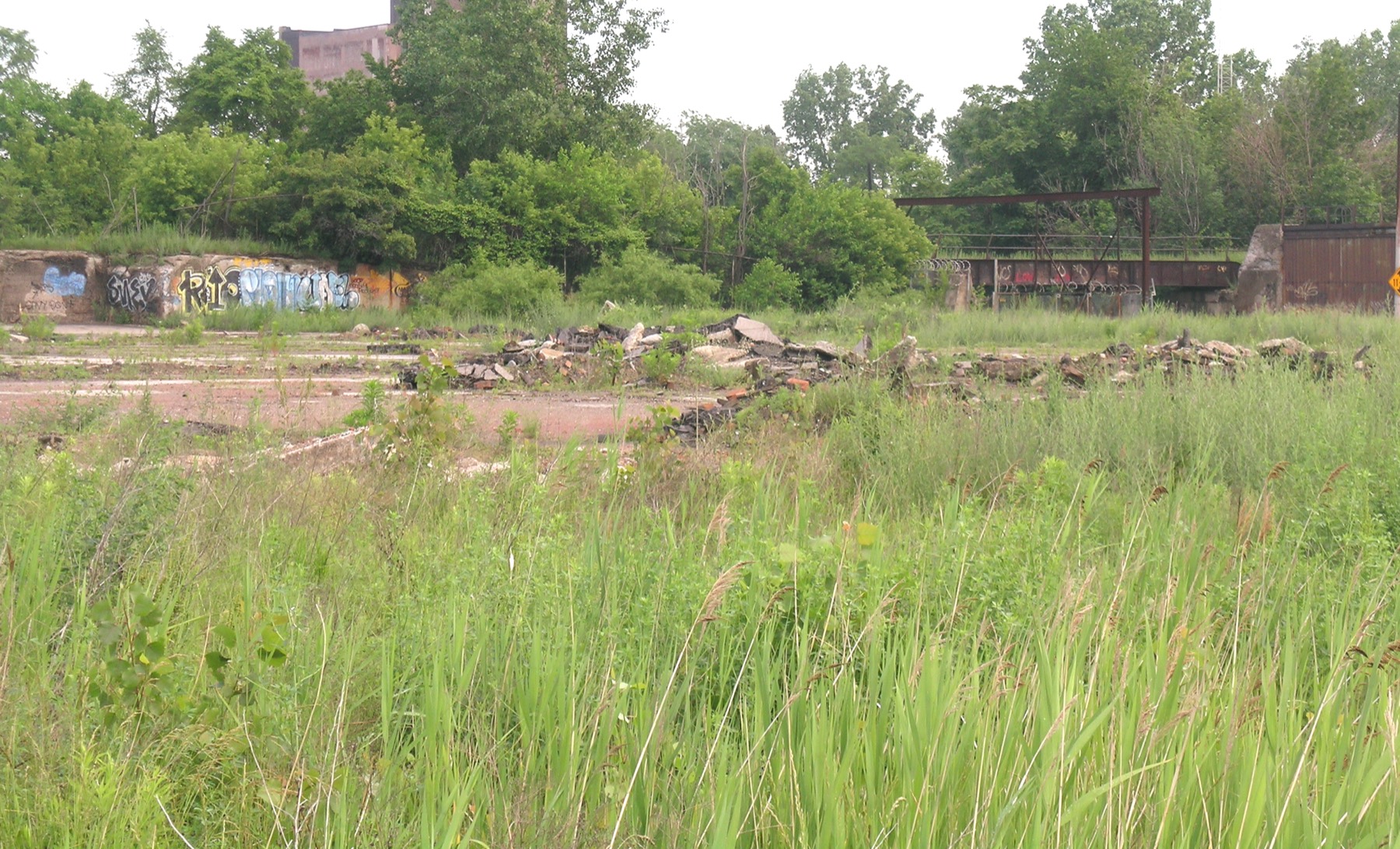
An overgrown vacant lot in Detroit with broken concrete and industrial remnants in the background.
Detroit has land that can be restored, not just extracted from.

Dryad's argument: AI should be judged by the public value it helps produce, not only by how much infrastructure it consumes.

Why this belongs in a sustainability guide
  • It grounds the question in public value, not novelty or capability.
  • It connects AI to measurable ecological restoration that humans struggle to sustain.
  • It demonstrates that small AI compute footprints can produce meaningful civic outcomes.
  • It offers a practical counterexample to the claim that AI always means extraction.
08 - Deep dive appendix

For investors, organizers, and policy watchers who want the full picture.

The sections below keep specialist material available without forcing every reader through it on the first pass.

Investor Guide

Companies with stronger sustainability signals than their peers

Publicly traded operators who have made verifiable commitments beyond marketing language. None is perfect.

Equinix

Colocation Operator - REIT
EQIX

The most credible large-scale operator in this set. Reported 96% renewable energy in 2024 and expanded waste-heat export to district heating systems in Europe and North America. PPA-first procurement strategy - not REC-dependent.

Renewable additionalityWaste heat exportPPA-first

Alphabet / Google

Hyperscale Operator
GOOGL

Michigan plan includes 2.7 GW of new solar, storage, and demand flexibility. Also the leader on AI efficiency: 33x energy reduction per query in 12 months, 40% cooling energy reduction via DeepMind optimization. Publicly committed to 24/7 carbon-free energy matching.

24/7 CFE committedDemand responseNew renewables

Applied Digital

AI Infrastructure
APLD

Leading on water efficiency. Closed-loop direct-to-chip liquid cooling with near-zero water consumption and design PUE of 1.18. Campuses in Jamestown and Ellendale, ND are operational. Their water model is the reference point for what communities should demand.

Near-zero waterPUE 1.18Liquid cooling

Iron Mountain

Data Center REIT
IRM

Auditable targets around clean electricity, climate neutrality, and BREEAM building certification. More transparent than firms using looser language - targets are specific enough to hold them to.

Auditable targetsBREEAM certifiedClimate reporting

Watch for greenwashing: a Renewable Energy Certificate can claim clean power on paper without funding new clean capacity. A Power Purchase Agreement is much closer to the real question - did this money build something new? The gold standard is 24/7 Carbon-Free Energy matching, which Google and Microsoft have publicly committed to. Most companies have not.

Full 8-point scorecard

Use this checklist to evaluate any company, developer, or proposed project in detail. The more boxes checked, the closer the project is to the standard.

Select criteria above
Advocacy

Who is already doing this work in Michigan

Some groups are industry-backed, some community-led, some focused on ratepayer or environmental justice. Know the difference.

Citizens Utility Board of Michigan

Ratepayer advocacy

CUB pushed the 90% clean energy threshold now in Michigan law, and is actively fighting to close the utility interpretation loophole that would let utilities' existing transition timelines satisfy it. The most technical and persistent group on this specific issue.

Northern Michigan Alliance for Responsible Development

Community coalition - Upper Peninsula focus

Community-led organizing on water, energy rates, and rural siting. Represents communities in the Upper Peninsula where large-load proposals have concentrated. Practical, non-technical entry point for residents new to this issue.

Michigan Environmental Justice Coalition

Environmental justice and policy research

Co-authored the U of M Ford School brief that modeled Michigan-level impacts and policy options. Strongest on the intersection of data center siting and frontline community exposure. The Ford School brief is the best single technical document on Michigan's situation.

Michigan for Responsible Data Centers

Industry coalition - launched March 2026

Formed with chamber, utility, and labor backing. Worth monitoring, but read alongside independent reporting. Its policy positions reflect industry interests, which may or may not align with community standards.

Planet Detroit

Independent journalism

Among the most useful ongoing coverage of Michigan's data center situation. Follow them if you want to track what is actually happening in real time rather than what press releases say is happening.

Politics

Which Michigan candidates have offered concrete standards

Snapshot of the 2026 debate. The useful test is whether any platform includes specific, verifiable conditions - not generalities about "responsible development."

Mallory McMorrow

D - U.S. Senate candidate

Released a 7-point plan including renewable energy requirements, infrastructure cost coverage, NDA bans, audits, and reinvestment commitments. The most detailed platform in the field. Still worth asking whether the commitments are enforceable as written.

Jocelyn Benson

D - Governor candidate

Supports development with guardrails including public hearings, transparency, and developer cost coverage. Less specific on the clean energy additionality question - worth pressing.

The useful test for any candidate: do they support specific standards - new clean power with additionality, closed-loop cooling with binding water caps, developer-paid infrastructure, mandatory demand response, enforceable CBAs - or do they speak in generalities? Generalities are not commitments.

Resources

Where to keep learning

Policy, regulation, journalism, and research sources worth bookmarking.

Policy and regulation
Michigan Public Service Commission Public comments and utility review proceedings. Written comments become part of the official record. michigan.gov/mpsc
Citizens Utility Board of Michigan Ratepayer advocacy, technical filings on data center energy standards, and guidance on how to comment effectively. cubofmichigan.org
Michigan Environmental Justice Coalition Policy research and environmental justice framing for data center siting decisions. mijustice.org
Ireland CRU December 2025 Decision The most comprehensive model for grid connection conditionality. Reference this when advocating for similar requirements in Michigan. Read the decision
Research and journalism
U of M Ford School STPP brief The best single technical document on Michigan's data center situation and policy options. Dense but comprehensive. Read the brief
IEA Energy and AI Report, 2025 The primary global dataset on data center energy demand growth and AI's potential emissions reduction impact (1,400 Mt by 2035). iea.org
Bridge Michigan Investigative reporting on Michigan politics, utility deals, and state oversight of data center development. bridgemi.com
Lancaster, PA Community Benefits Agreement The November 2025 CBA template with binding water caps, clean energy funds, and successorship clauses. Use it as a model when advocating locally. Read the CBA